The winds of change: does the bell toll for the far right in Europe?
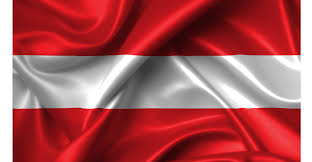
In 2016 as the re-run of the Austrian presidential election loomed, for the first time in Europe since before 1945, the possibility of a far right country leader appeared a distinct possibility.
Riding a wave of populism sweeping through Europe the far right has seen a renaissance in recent years. Both Jobbik and Perusuomalaiset (True Finns) entered the Hungarian and Finnish Governments as far right parties. The Front Nationale in France is making gains and looks set to make the final run off in the presidential election this year, and the Freedom Party (FVV) under Geert Wilders is striking a populist chord with voters in the Netherlands. Notwithstanding the situation in Germany regarding the AfD: rising from obscurity to minor but relative success in local elections in 2016.
In Austria, Van der Bellen campaigning on an unashamed leftist pro-European platform came to power with a slender margin of 30,000 votes in May 2016, this victory was short lived as the Austrian courts ordered a re-vote. Unexpectedly Van der Bellen increased his margin of victory to 300,000 votes and Hofer conceded defeat for the far right.
Just this past weekend Frank-Walter Steinmeier, a centre-left politician became the new president of Germany, and it looks increasingly likely that the SDP and Martin Schulz with his mastery of Klartext may triumph in the upcoming German elections.
Is Europe beginning to see support falling away from the far right, or are the events in Austria and Germany anomalies in the current trend of right wing populism?
The common threads that unite the far right movements across Europe are fear of immigration and safety, intertwined with a loss of identity and what are perceived as ‘European values’. Whether one agrees or disagrees with these concerns is beside the point, they are very real to large swathes of the population.
Why the shift towards the left in Austria and possibly Germany? Both the Freedom Party and AfD have scored repeated own goals in recent months with their comments regarding the Nazi past, one could also argue Hofer’s original anti-EU stance went out of favour when people saw the harsh realities of Brexit for the UK. In Germany Schulz’s straight talking is appealing to the lost working class voters who felt betrayed after the effects of Schröder’s Hartz VI reforms. Furthermore, in Finland support for the True Finns has steadily decreased. However, concerns among the population remain.
Many of the Far right parties in Europe have one policy with which to whip up the masses, immigration coupled with anti-Islamic sentiment. Deep down people care more about wages and the economy. The reason for the longevity of the current far right populism has been its ability to apportion blame for the stuttering economic recovery, rising unemployment and safety fears onto immigrants and the current Status Quo under the ruling elites.
Many see the upcoming national elections in Europe as a litmus test for how the population views the Ruling elites. Populist thought, whilst at times fervent and unstoppable is also susceptible to sudden disappearance from political discourse.
Polling figures from the Netherlands and France would suggest these concerns remain real as the FVV and Front Nationale remain in contention tapping into discontent amongst the working classes.
Europe remains polarized and fractured; the elections in Austria and Germany offer a glimmer of hope, but the feeling of being disenfranchised and unheard remains real to many. It is the job of those that see the value of the European project, immigration and inclusivity to argue their case to the masses.