The IOC, corruption and missed opportunities.
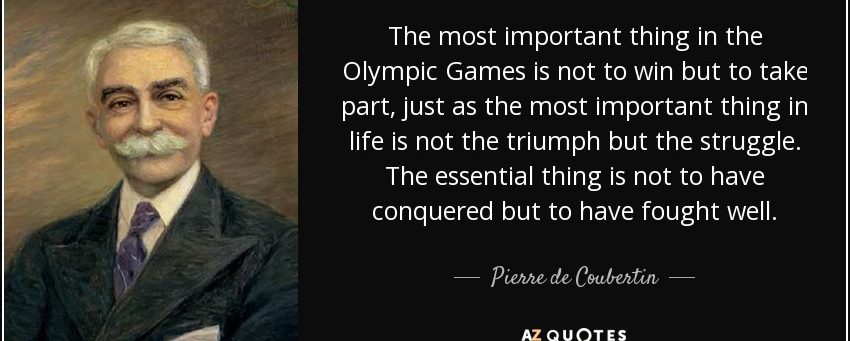
Vote rigging, bribery, ticket touting and drug cover-up’s are just a few from a long list of questionable practices that that have implicated the IOC which would have Pierre de Coubertin turning in his grave.
The arrest and resignation of Irelands IOC representative Pat Hickey last week for alleged ticket touting showed the world corruption is still alive and well in the corridors of sporting power.
Wanting to make a few extra Euros on the back of selling tickets at an over-inflated price seems small-fry compared to the systematic government sanctioned doping that it has transpired unfolded at Sochi. The cloak and dagger efforts of the Russian doping agency have not been seen since the testosterone fuelled women of the GDR graced the sporting world in the 1980s with their eye-watering times and physique.
Awarding the 2014 winter olympics and 2018 world cup to Russia were results borne out of an attitude whereby those in power believed themselves impervious to scrutiny, scant regard was given to the ethics of awarding an Olympics to a country with a somewhat questionable take on democracy and sporting values.
This is not a situation new to the IOC, if one casts their mind back to the 2002 Salt Lake City winter games, the evidence of bribery in garnering votes was irrefutable.
What mattered more than any olympic ideal of fair play was the extent to which the voting officials could feather their nests, with an almost untouchable impunity. The commercialisation of the olympics through sponsorships from companies such as McDonalds is merely a product of this rush for monetary gain.
Aside from the questionable monetary ethics of the IOC, the clean athletes around the world must be wondering when will they finally be protected by the bodies that profess to be the guardians of their sport.
The damning report on Russian doping published by the World Anti Doping Agency WADA on the eve of the Rio olympics gave the IOC the opportunity to show the world it could stand up for that nobel olympic ideal of fair play. It failed spectacularly.
The systematic and official nature of the doping meant that the mere presence of Russian athletes in Rio would be an affront to sporting values.
That it took the German TV channel ARD, rather than a sporting body to expose the state sanctioned doping in Russia spoke volumes. The vitriol that was then directed at the worlds media, by incoming president of the IAAF Sebastian Coe belied the arrogance of a man who spent years as the vice president under Lamine Diack, and yet claimed to know nothing of the penchant for money laundering his former boss had.
That the IOC fails to protect clean athletes is not under question, but is is not just a Russian issue. The short bans which are meted across the world, means that convicted dopers have been competing for medals at Rio. The situation vis a vis Russia gave them an opportunity to put down a marker against future doping, that of zero tolerance, they failed.
The failure to advertise and sell enough tickets to make the paralympics a viable prospect in debt riddled Rio only compounds the ineptitude of those involved in promoting the future of the games. Rio was a chance to build on the relative success of London 2012 and put the paralympics on an equal footing, sadly the games themselves appear to be in jeopardy.
The games have had some stand out performances and moments, that is without doubt, but the underlying problems that permeate the IOC continue. A failure to crack down on doping, ticket touting and the growing commercialisation are practices far removed from the ideals of the ancient Greek olympians, and a world away from the modern olympic games envisaged by the French historian and founder of the IOC, Monsieur de Coubertin.