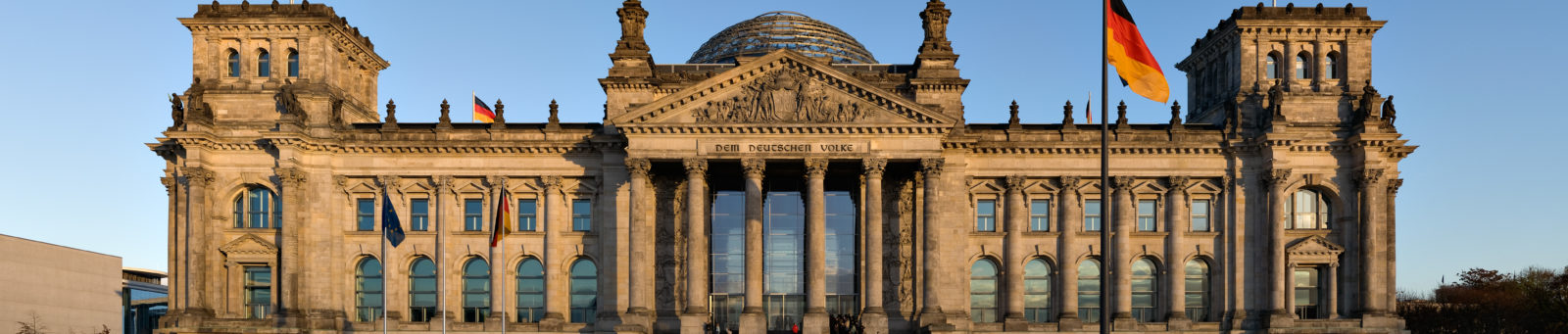
The Bundestag, a beacon of hope in a sea of isolationism.
The Bundestag, nestled in the heart of Berlin beside the Brandenburg Tor, in 1945 a stark, burnt out symbol of where the excesses of nationalism can lead a country. Since reunification it now stands reborn, renamed and reformed.
In the 75 years since national socialism reared its ugly head Germany has come a long way. Carved up by the allied powers post 1945, Germany stood as a timely reminder of the power play of international politics during the cold war until the collapse of the Soviet Union in 1991 and re-unification.
Situating the new government under the refurbished glass-domed Bundestag was symbolic of a new dawn not just in Germany, but in Europe as a whole. A Europe was emerging in which borders and barriers, both physical and ideological would diminish, a continent was emerging that pushed equality and freedom of citizens to the fore.
The deluge of refugees from the Middle East and North Africa since the Arab spring has tested these values to the core, and seemingly the only government in Europe intent on reaching out a humanitarian arm is the German Bundestag.
From the ashes of national socialism until the 1990s Berlin remained a physical reminder of the divisiveness of ideology, this may in part explain the enthusiasm Germany displays for the European project and relative open door policy towards refugees.
Governments around Europe are lurching to the right as barbed wire fences go up along the borderlands of the EU, meanwhile British politicians whip up fear of uncontrolled immigration contributing to a vote for Brexit, and hysteria around the influx of refugees takes over swathes of the EU’s voting population with calls by some to shoot refugees at the border. Amongst all this reactionary activity the German government continues to welcome and integrate the endless multitude of refugees.
Perhaps the memory of the displacement and re-housing of German refugees post-1945 from lands in central, northern and eastern Europe is still fresh enough in the minds of the politicians to realise the merit and human decency in helping your fellow man in a time of crisis.
Others in the EU have all but abandoned any pretence of humanity towards the refugees, taking up a line of overt hostility. The memory span of some EU citizens seems surprisingly short, and the current leaning towards nativism and nationalism seems to forget where those ideals can lead a continent.
For what are so-called European values if they are for the few and not the many, if we erect borders around the EU, if we ignore the plight of the refugees then the rights, values and privileges we enjoy are merely perpetuating a wider concept of inequality. In denying basic human compassion and rights to refugees we become symbolic of an unspoken apartheid, whereby those inside the EU warrant better treatment than those outside.
Germany is by no means perfect, the rise of the AfD attests to that, and parts of the German population are buying into the anti-refugee rhetoric. As several politicians voice concern over the continued arrival of refugees, Merkel and her government have stood firm.
As dark clouds gather over European attitudes towards refugees, the Bundestag continues a policy of welcoming, re-housing and integrating, casting shame upon its sister governments around the EU, a beacon of hope in a sea of isolationism.